
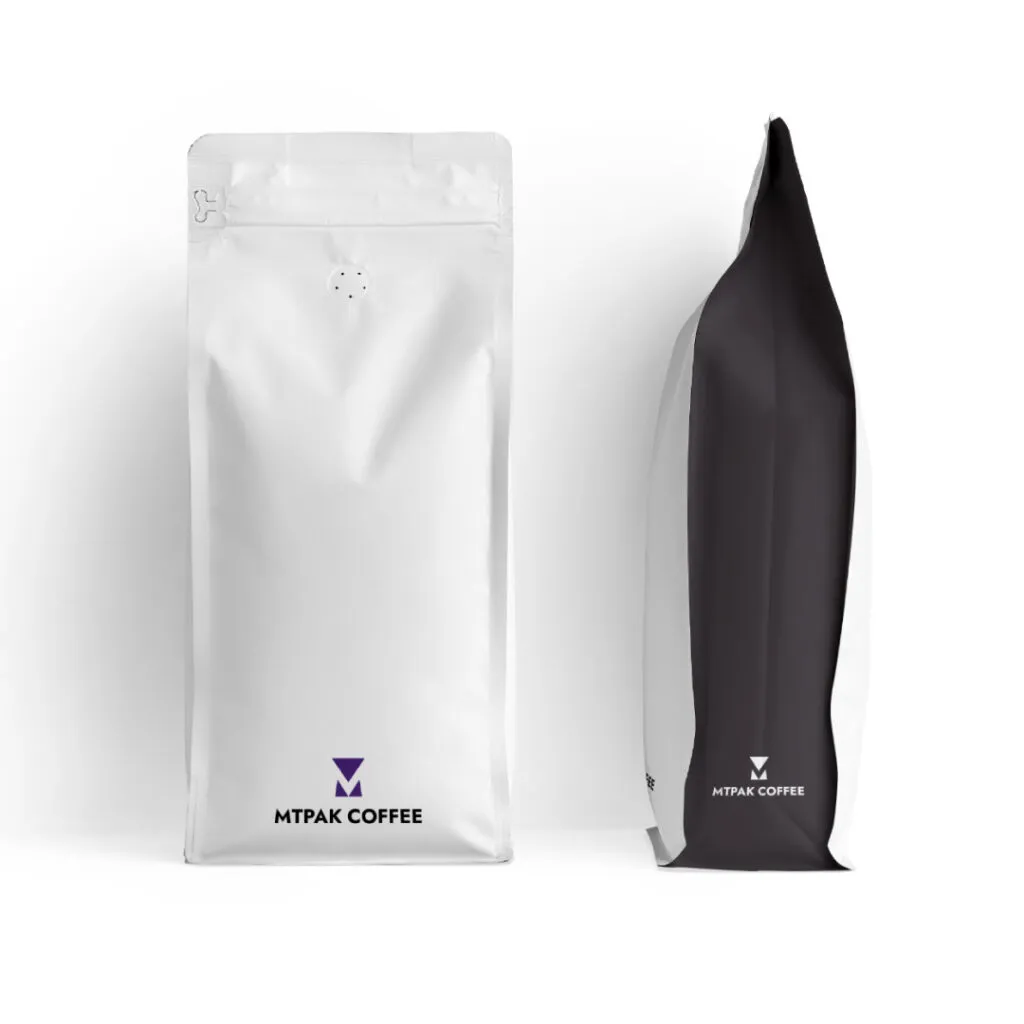
 The breakthrough in lightweight design has reduced the average packaging weight by 25% and the material usage by 30%. For instance, Procter & Gamble's products in collaboration with suppliers have cut the primary packaging weight from 15 grams to 11 grams. According to life cycle assessment data, this optimization has reduced carbon emissions in the supply chain by 18%, increased the loading rate of transport vehicles by 20%, and saved up to 1.2 million liters of fuel consumption annually. The degradation cycle of packaging using renewable cellulose films in the natural environment has been shortened from 400 years to 180 days.
The compliance guarantee system covers 62 global environmental protection regulations and certifications, helping customers shorten the market access cycle by 50%. These suppliers hold 223 international sustainable development certification certificates, and their life cycle assessment systems can accurately calculate a 65% reduction in the carbon footprint per unit of packaging. According to the new regulations of the EU Green Deal 2025, enterprises that adopt advanced recycling technologies can avoid an average compliance cost of 12% while enjoying a 25% increase in carbon credit revenue.
Supply chain collaborative innovation has reduced order response time by 70% and maintained a product yield rate of over 99.5%. The traceability system established through blockchain technology has increased the transparency of material sources to 100% and reduced customer audit time by 60%. For instance, the closed-loop system developed by PepsiCo in collaboration with flexible packaging suppliers has reduced transportation energy consumption by 22% and increased inventory turnover by 35 percentage points.
The intelligent packaging integration technology has increased the NFC chip implantation rate to 60%, tripling the frequency of consumer interaction. By adopting temperature-sensing ink technology, the accuracy of cold chain logistics deviation early warning reaches 99%, and the cargo damage rate is reduced by 4 percentage points. For instance, the antibacterial packaging film developed by Dainippon Printing Company has reduced the microbial growth rate by 99.9% and gained a 30% market share in the medical packaging field.
The breakthrough in lightweight design has reduced the average packaging weight by 25% and the material usage by 30%. For instance, Procter & Gamble's products in collaboration with suppliers have cut the primary packaging weight from 15 grams to 11 grams. According to life cycle assessment data, this optimization has reduced carbon emissions in the supply chain by 18%, increased the loading rate of transport vehicles by 20%, and saved up to 1.2 million liters of fuel consumption annually. The degradation cycle of packaging using renewable cellulose films in the natural environment has been shortened from 400 years to 180 days.
The compliance guarantee system covers 62 global environmental protection regulations and certifications, helping customers shorten the market access cycle by 50%. These suppliers hold 223 international sustainable development certification certificates, and their life cycle assessment systems can accurately calculate a 65% reduction in the carbon footprint per unit of packaging. According to the new regulations of the EU Green Deal 2025, enterprises that adopt advanced recycling technologies can avoid an average compliance cost of 12% while enjoying a 25% increase in carbon credit revenue.
Supply chain collaborative innovation has reduced order response time by 70% and maintained a product yield rate of over 99.5%. The traceability system established through blockchain technology has increased the transparency of material sources to 100% and reduced customer audit time by 60%. For instance, the closed-loop system developed by PepsiCo in collaboration with flexible packaging suppliers has reduced transportation energy consumption by 22% and increased inventory turnover by 35 percentage points.
The intelligent packaging integration technology has increased the NFC chip implantation rate to 60%, tripling the frequency of consumer interaction. By adopting temperature-sensing ink technology, the accuracy of cold chain logistics deviation early warning reaches 99%, and the cargo damage rate is reduced by 4 percentage points. For instance, the antibacterial packaging film developed by Dainippon Printing Company has reduced the microbial growth rate by 99.9% and gained a 30% market share in the medical packaging field.
How Does a Flexible Packaging Supplier Ensure Sustainability?
Flexible packaging suppliers have increased the content of recycled plastic in their products to over 50% through material innovation. Among them, Amcor's single-material solution has raised the packaging recyclability rate from the industry average of 20% to 70%. According to the 2024 data from the European Flexible Packaging Association, the use of bio-based polyethylene materials can reduce the carbon footprint by 40% and lower the production cost per ton of packaging by 15%. These enterprises typically invest 8% of their annual operating income in sustainable research and development, successfully reducing the thickness of packaging by 30% while maintaining a tensile strength of 45 megapascals and increasing transportation efficiency by 25%.
In the construction of a circular economy system, leading flexible packaging supplier have invested in building chemical recycling plants, increasing the conversion rate of mixed plastic waste to 80%. For instance, the closed-loop project jointly carried out by Dow Chemical and Reynolds Group has achieved a post-consumer recycled material utilization rate of 95%, reducing landfill volume by 70,000 tons annually. Through the digital traceability system, the identification accuracy of packaging recycling has reached 99%, the sorting speed has been increased to 600 pieces per minute, and the overall recycling rate has grown from 42% to 65%.
The innovation of energy-saving production technology has reduced production energy consumption by 35%, among which Xiyueer Company has adopted a solar power supply system to meet 40% of its production demands. According to the 2023 Sustainability report, the proportion of water-based ink usage has increased from 30% to 85%, and the emissions of volatile organic compounds have decreased by 90%. By using a heat recovery device to increase energy utilization efficiency to 80%, 2 million kilowatt-hours of electricity can be saved annually, which is equivalent to reducing 1,500 tons of carbon emissions.
The breakthrough in lightweight design has reduced the average packaging weight by 25% and the material usage by 30%. For instance, Procter & Gamble's products in collaboration with suppliers have cut the primary packaging weight from 15 grams to 11 grams. According to life cycle assessment data, this optimization has reduced carbon emissions in the supply chain by 18%, increased the loading rate of transport vehicles by 20%, and saved up to 1.2 million liters of fuel consumption annually. The degradation cycle of packaging using renewable cellulose films in the natural environment has been shortened from 400 years to 180 days.
The compliance guarantee system covers 62 global environmental protection regulations and certifications, helping customers shorten the market access cycle by 50%. These suppliers hold 223 international sustainable development certification certificates, and their life cycle assessment systems can accurately calculate a 65% reduction in the carbon footprint per unit of packaging. According to the new regulations of the EU Green Deal 2025, enterprises that adopt advanced recycling technologies can avoid an average compliance cost of 12% while enjoying a 25% increase in carbon credit revenue.
Supply chain collaborative innovation has reduced order response time by 70% and maintained a product yield rate of over 99.5%. The traceability system established through blockchain technology has increased the transparency of material sources to 100% and reduced customer audit time by 60%. For instance, the closed-loop system developed by PepsiCo in collaboration with flexible packaging suppliers has reduced transportation energy consumption by 22% and increased inventory turnover by 35 percentage points.
The intelligent packaging integration technology has increased the NFC chip implantation rate to 60%, tripling the frequency of consumer interaction. By adopting temperature-sensing ink technology, the accuracy of cold chain logistics deviation early warning reaches 99%, and the cargo damage rate is reduced by 4 percentage points. For instance, the antibacterial packaging film developed by Dainippon Printing Company has reduced the microbial growth rate by 99.9% and gained a 30% market share in the medical packaging field.
The breakthrough in lightweight design has reduced the average packaging weight by 25% and the material usage by 30%. For instance, Procter & Gamble's products in collaboration with suppliers have cut the primary packaging weight from 15 grams to 11 grams. According to life cycle assessment data, this optimization has reduced carbon emissions in the supply chain by 18%, increased the loading rate of transport vehicles by 20%, and saved up to 1.2 million liters of fuel consumption annually. The degradation cycle of packaging using renewable cellulose films in the natural environment has been shortened from 400 years to 180 days.
The compliance guarantee system covers 62 global environmental protection regulations and certifications, helping customers shorten the market access cycle by 50%. These suppliers hold 223 international sustainable development certification certificates, and their life cycle assessment systems can accurately calculate a 65% reduction in the carbon footprint per unit of packaging. According to the new regulations of the EU Green Deal 2025, enterprises that adopt advanced recycling technologies can avoid an average compliance cost of 12% while enjoying a 25% increase in carbon credit revenue.
Supply chain collaborative innovation has reduced order response time by 70% and maintained a product yield rate of over 99.5%. The traceability system established through blockchain technology has increased the transparency of material sources to 100% and reduced customer audit time by 60%. For instance, the closed-loop system developed by PepsiCo in collaboration with flexible packaging suppliers has reduced transportation energy consumption by 22% and increased inventory turnover by 35 percentage points.
The intelligent packaging integration technology has increased the NFC chip implantation rate to 60%, tripling the frequency of consumer interaction. By adopting temperature-sensing ink technology, the accuracy of cold chain logistics deviation early warning reaches 99%, and the cargo damage rate is reduced by 4 percentage points. For instance, the antibacterial packaging film developed by Dainippon Printing Company has reduced the microbial growth rate by 99.9% and gained a 30% market share in the medical packaging field.
Plan your own journey
Every Shiki Japan itinerary is built one-on-one with a Tokyo-based specialist — from ryokan reservations to after-hours temple access.
← Browse sample journeys