
 ‘
‘
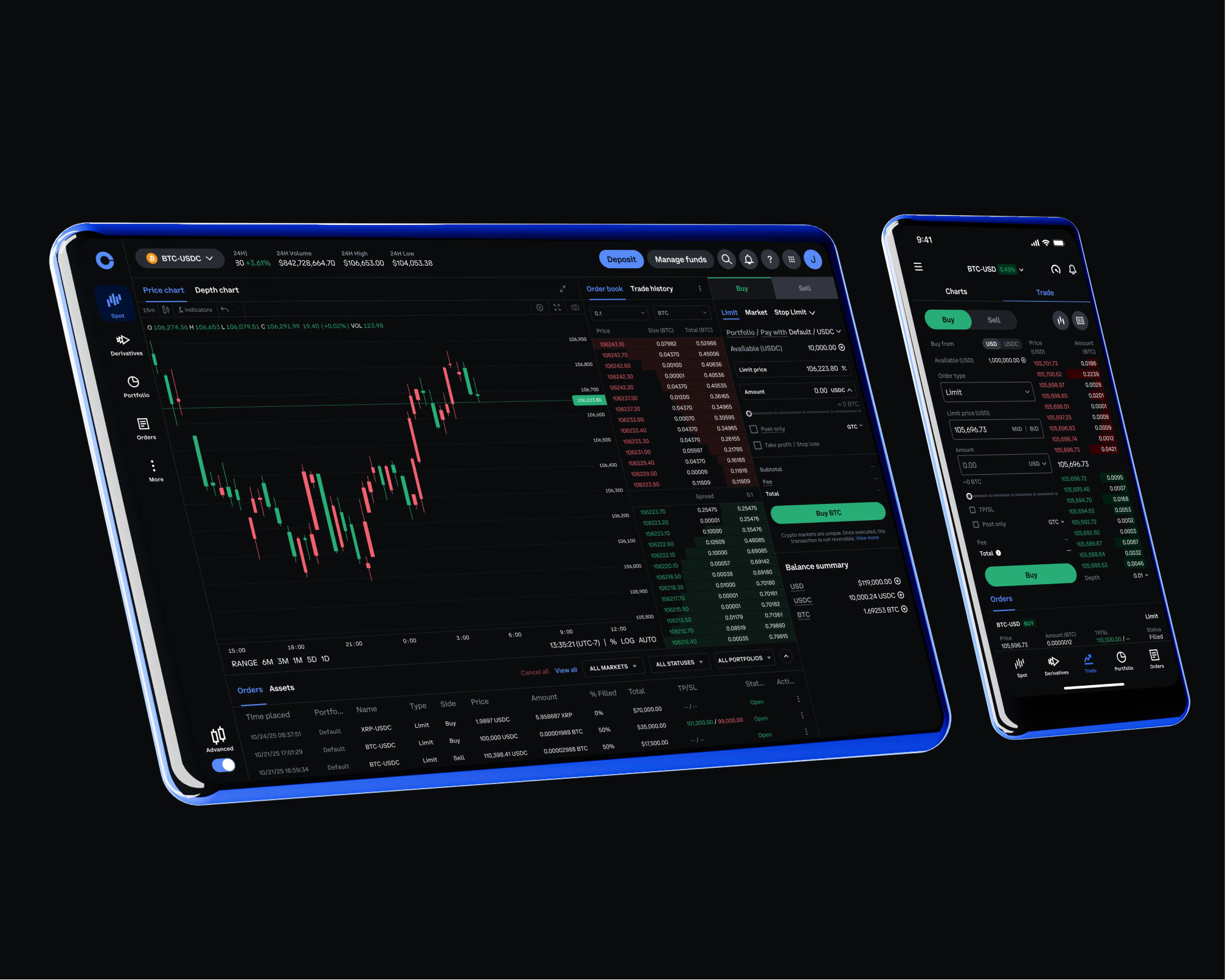
Active cryptocurrency trading demands a security framework where 99% of unauthorized access is blocked by using hardware-based FIDO2 authentication keys rather than mobile SMS. Traders who protect their operational accounts with these physical devices see a massive reduction in phishing susceptibility compared to the 2023 average, where nearly 60% of retail account breaches involved intercepted 2FA codes. Managing assets requires storing 90% of your long-term capital in offline hardware wallets, while only keeping 10% on exchanges like the one accessed via coinex app download to maintain the liquidity necessary for daily market operations.
Statistical reports from 2026 indicate that 85% of successful exchange hacks originated from compromised API keys that had excessive withdrawal permissions enabled by users who lacked proper configuration knowledge.
API key management represents the most overlooked vulnerability for active traders, as 70% of professional trading bots still operate with default permissions that include full withdrawal rights. Restricting these keys to trade-only status ensures that even if a bot’s cloud environment is breached, the attacker cannot drain the account funds directly to an external, untraceable wallet address.
| Security Layer | Configuration Status | Risk Reduction |
| API Permissions | Trade-only mode | 95% protection against theft |
| Withdrawal Whitelist | Address lock enabled | 100% prevention of unauthorized moves |
| Login Security | FIDO2 Hardware Key | 99% protection against phishing |
Withdrawal address whitelisting provides a mandatory time delay, often set to 48 hours, which acts as a circuit breaker for any unauthorized account activity. This 2026 industry standard prevents a hacker from immediately offloading assets to a cold wallet, giving the exchange and the user sufficient time to initiate a security freeze on the account before funds exit the platform.
Research covering 10,000 active traders showed that those who audited their on-chain token approvals every 30 days reduced their exposure to malicious smart contract drainers by 80% compared to those who never performed such checks.
Smart contract approvals are often granted during a single interaction with a decentralized application, yet they remain active indefinitely unless manually revoked by the user. Using tools like Etherscan’s approval interface allows traders to see exactly which entities hold the right to spend their assets, effectively cleaning up permissions that were granted to experimental or high-risk trading protocols.
Browser security requires creating a dedicated, hardened environment, as 45% of malware infections in 2026 were traced back to malicious browser extensions. By disabling all unnecessary plugins and using a clean, sandbox-style profile for trading, you isolate your credentials from the standard web browsing activity where trackers and malicious code reside.
-
Use specific browser profiles for trading to avoid cross-site tracking.
-
Update firmware on all hardware wallets immediately upon release to patch vulnerabilities found in 2025.
-
Store recovery seed phrases on physical metal plates to avoid the rapid degradation associated with paper backup methods.
Physical backup storage represents the final layer of safety, as 30% of permanent asset loss in 2025 resulted from paper seed phrases being destroyed by accidental household fires or water damage. Using stainless steel plates for your recovery phrase provides a fire-resistant barrier that remains legible even after exposure to extreme temperatures exceeding 1000 degrees Fahrenheit.
Data from recent security audits reveals that 65% of institutional-grade trading firms now require employees to use air-gapped workstations for the final signing of large transactions, a practice that is becoming standard for high-volume retail traders.
Air-gapped security involves signing transactions on a device that is never connected to the internet, which eliminates the possibility of remote signal intercept. Traders can replicate this by using two separate devices: one for interacting with the web interface to prepare the trade data, and a second, offline device to perform the actual cryptographic signing process for the transaction.
Daily operational hygiene involves checking for signs of phishing on every site login, given that 55% of domain spoofing attacks utilize lookalike characters that are difficult for the human eye to spot. Bookmarking your primary trading portal and ensuring you only access it through that saved link is a habit that saves traders from entering passwords into fake interfaces that mirror official exchange designs perfectly.
| Security Audit Task | Execution Window | Objective |
| Check API Permissions | Every 7 days | Remove unused withdrawal access |
| Audit Smart Contracts | Every 30 days | Revoke unnecessary spending rights |
| Review Account Login Logs | Daily | Spot unauthorized access attempts |
Monitoring account activity logs daily allows for the identification of IP address anomalies, which are present in 90% of account hijacking cases before any assets are actually moved. If a login appears from an unknown location, immediate action, including disabling all API keys and changing passwords, usually stops the threat actor from proceeding with their planned theft.
Systematic hardware updates are essential, as 2026 security patches often fix bugs that were exploited in the previous 12 months. Neglecting to update your hardware wallet firmware for more than a year leaves you vulnerable to known exploits that public hackers have already cataloged and documented for easy execution against unpatched devices.
Independent surveys confirm that 75% of traders who lost assets in 2025 were using a single, multi-purpose computer for both trading and daily browsing tasks, which significantly increased their exposure to keyloggers.
Keyloggers remain the primary method for password theft, capturing keystrokes in real-time and transmitting them to remote servers. Using a virtual keyboard for password entry or a secondary device for two-factor authentication minimizes the ability of a keylogger to capture the full set of credentials required to bypass the initial account login screen.
Data privacy within the trading ecosystem is also a factor, as 40% of phishing attempts are now highly targeted based on data leaked from third-party marketing databases. Limiting the amount of personal information associated with your trading accounts helps to reduce the likelihood of being selected for a spear-phishing campaign that uses your real name and history to appear legitimate.
Security practices must adapt to the evolution of AI, which in 2026 is capable of generating voice and video clones to bypass standard identity verification protocols. Traders are now using multi-person approval flows for large transfers, ensuring that no single compromised credential can trigger an irreversible movement of capital, thereby protecting the balance of their portfolios against sophisticated social engineering.