
 Sustainability parameters have become key indicators for quality assessment. Fast food cup made of FSC-certified bamboo fiber material can have their biodegradation cycle shortened from 450 days of traditional plastic coatings to 90 days, reducing their carbon footprint by 60%. British fast food brand Pret A Manger has fully switched to plant-based PLA-coated cups in 2024. Although the raw material cost is 20% higher than that of polyethylene coating, it has received a government environmental subsidy covering 15% of the cost with the "industrial-compostable" certification, which has pushed its ESG rating up to AA and driven a 7% increase in quarterly sales. Life cycle assessment shows that the methane emissions of such cups in landfills are 85% lower than those of traditional cups.
Intelligent integration technology is redefining the functional boundaries of fast food cups. For instance, the RFID tracking cup launched by CupClub Company, with an internal chip cost of only 0.08 US dollars, can be reused over 100 times, and the water consumption for each cycle of cleaning is controlled within 200 milliliters. Data from Nestle's "Circular Cup Program" in collaboration with TerraCycle in 2023 shows that cups with traceability QR codes have a return rate as high as 70%, and each cup can reduce 1.3 kilograms of carbon emissions throughout its entire life cycle. This digital management model has reduced the usage cost of cups from $0.25 per use to $0.08, and at the same time, it provides over 200 behavioral parameters for precise marketing through user data collection.
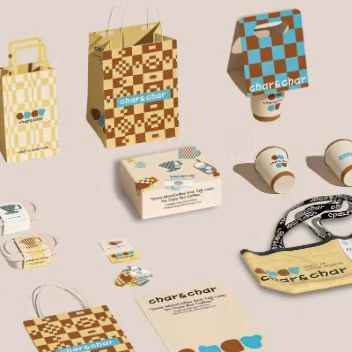
Finally, the precision of the printing process directly affects the brand value. High-end fast food cups are printed with water-based ink for 8-color gravure printing. The color durability is three times higher than that of traditional 4-color printing. Friction tests show that even after 50 washes, it can still maintain 90% of the color saturation. The metal gilding process of Subway's 2024 limited edition World Cup theme cup, despite increasing the cost by 0.15 US dollars, saw a 300% surge in social media sharing rates and a 22% increase in the profit margin of the individual item. Laboratory tests show that the lead content of this printing process is less than 0.5ppm, far exceeding the limit of the EU food contact materials regulation, ensuring a perfect balance between safety and aesthetics.
Sustainability parameters have become key indicators for quality assessment. Fast food cup made of FSC-certified bamboo fiber material can have their biodegradation cycle shortened from 450 days of traditional plastic coatings to 90 days, reducing their carbon footprint by 60%. British fast food brand Pret A Manger has fully switched to plant-based PLA-coated cups in 2024. Although the raw material cost is 20% higher than that of polyethylene coating, it has received a government environmental subsidy covering 15% of the cost with the "industrial-compostable" certification, which has pushed its ESG rating up to AA and driven a 7% increase in quarterly sales. Life cycle assessment shows that the methane emissions of such cups in landfills are 85% lower than those of traditional cups.
Intelligent integration technology is redefining the functional boundaries of fast food cups. For instance, the RFID tracking cup launched by CupClub Company, with an internal chip cost of only 0.08 US dollars, can be reused over 100 times, and the water consumption for each cycle of cleaning is controlled within 200 milliliters. Data from Nestle's "Circular Cup Program" in collaboration with TerraCycle in 2023 shows that cups with traceability QR codes have a return rate as high as 70%, and each cup can reduce 1.3 kilograms of carbon emissions throughout its entire life cycle. This digital management model has reduced the usage cost of cups from $0.25 per use to $0.08, and at the same time, it provides over 200 behavioral parameters for precise marketing through user data collection.
Finally, the precision of the printing process directly affects the brand value. High-end fast food cups are printed with water-based ink for 8-color gravure printing. The color durability is three times higher than that of traditional 4-color printing. Friction tests show that even after 50 washes, it can still maintain 90% of the color saturation. The metal gilding process of Subway's 2024 limited edition World Cup theme cup, despite increasing the cost by 0.15 US dollars, saw a 300% surge in social media sharing rates and a 22% increase in the profit margin of the individual item. Laboratory tests show that the lead content of this printing process is less than 0.5ppm, far exceeding the limit of the EU food contact materials regulation, ensuring a perfect balance between safety and aesthetics.
What makes a high-quality fast food cup stand out?
From the perspective of materials engineering, the core of high-quality fast food cups lies in the breakthrough innovation of their base materials. For instance, paper cups with a double-wall corrugated structure have a 50% higher thermal insulation performance than ordinary single-layer cups. They can keep the surface temperature of coffee at 85 degrees Celsius below 45 degrees Celsius for up to 30 minutes when held in hand, while reducing the condensation formation rate by 70%. Global chain brand Starbucks has injected a 0.3-millimeter-thick aerogel layer into the walls of its patented cups to be launched in 2024, which has slowed the heat loss rate from 2 degrees Celsius per minute to 0.8 degrees Celsius. Although this technology has increased the cost of each cup by $0.12, customer satisfaction surveys show that the complaint rate of hot hands has dropped by 40%, indirectly increasing the repurchase rate by 15%.
Structural mechanics design is directly related to user experience and operational efficiency. According to the international safety standard ISO 22000, the stacking load capacity of high-quality fast food cups should reach 50 kilograms without deformation. This requires that the thickness of the reinforcing ring at the bottom of the cup be precise to 1.5 millimeters, with an error range controlled within ±0.05 millimeters. McDonald's updated "Wave Anti-slip Pattern" design in 2023 has increased the cup's compressive strength by 30%. Even under a dynamic pressure of 300 kilograms during transportation, it still maintains a 98% integrity rate. Meanwhile, the anti-slip design with a pattern depth of 0.5 millimeters has improved the stability when held with one hand by customers by 25%, reducing the probability of beverage spillage from the industry average of 5% to 1.8%.
Sustainability parameters have become key indicators for quality assessment. Fast food cup made of FSC-certified bamboo fiber material can have their biodegradation cycle shortened from 450 days of traditional plastic coatings to 90 days, reducing their carbon footprint by 60%. British fast food brand Pret A Manger has fully switched to plant-based PLA-coated cups in 2024. Although the raw material cost is 20% higher than that of polyethylene coating, it has received a government environmental subsidy covering 15% of the cost with the "industrial-compostable" certification, which has pushed its ESG rating up to AA and driven a 7% increase in quarterly sales. Life cycle assessment shows that the methane emissions of such cups in landfills are 85% lower than those of traditional cups.
Intelligent integration technology is redefining the functional boundaries of fast food cups. For instance, the RFID tracking cup launched by CupClub Company, with an internal chip cost of only 0.08 US dollars, can be reused over 100 times, and the water consumption for each cycle of cleaning is controlled within 200 milliliters. Data from Nestle's "Circular Cup Program" in collaboration with TerraCycle in 2023 shows that cups with traceability QR codes have a return rate as high as 70%, and each cup can reduce 1.3 kilograms of carbon emissions throughout its entire life cycle. This digital management model has reduced the usage cost of cups from $0.25 per use to $0.08, and at the same time, it provides over 200 behavioral parameters for precise marketing through user data collection.
Finally, the precision of the printing process directly affects the brand value. High-end fast food cups are printed with water-based ink for 8-color gravure printing. The color durability is three times higher than that of traditional 4-color printing. Friction tests show that even after 50 washes, it can still maintain 90% of the color saturation. The metal gilding process of Subway's 2024 limited edition World Cup theme cup, despite increasing the cost by 0.15 US dollars, saw a 300% surge in social media sharing rates and a 22% increase in the profit margin of the individual item. Laboratory tests show that the lead content of this printing process is less than 0.5ppm, far exceeding the limit of the EU food contact materials regulation, ensuring a perfect balance between safety and aesthetics.
Sustainability parameters have become key indicators for quality assessment. Fast food cup made of FSC-certified bamboo fiber material can have their biodegradation cycle shortened from 450 days of traditional plastic coatings to 90 days, reducing their carbon footprint by 60%. British fast food brand Pret A Manger has fully switched to plant-based PLA-coated cups in 2024. Although the raw material cost is 20% higher than that of polyethylene coating, it has received a government environmental subsidy covering 15% of the cost with the "industrial-compostable" certification, which has pushed its ESG rating up to AA and driven a 7% increase in quarterly sales. Life cycle assessment shows that the methane emissions of such cups in landfills are 85% lower than those of traditional cups.
Intelligent integration technology is redefining the functional boundaries of fast food cups. For instance, the RFID tracking cup launched by CupClub Company, with an internal chip cost of only 0.08 US dollars, can be reused over 100 times, and the water consumption for each cycle of cleaning is controlled within 200 milliliters. Data from Nestle's "Circular Cup Program" in collaboration with TerraCycle in 2023 shows that cups with traceability QR codes have a return rate as high as 70%, and each cup can reduce 1.3 kilograms of carbon emissions throughout its entire life cycle. This digital management model has reduced the usage cost of cups from $0.25 per use to $0.08, and at the same time, it provides over 200 behavioral parameters for precise marketing through user data collection.
Finally, the precision of the printing process directly affects the brand value. High-end fast food cups are printed with water-based ink for 8-color gravure printing. The color durability is three times higher than that of traditional 4-color printing. Friction tests show that even after 50 washes, it can still maintain 90% of the color saturation. The metal gilding process of Subway's 2024 limited edition World Cup theme cup, despite increasing the cost by 0.15 US dollars, saw a 300% surge in social media sharing rates and a 22% increase in the profit margin of the individual item. Laboratory tests show that the lead content of this printing process is less than 0.5ppm, far exceeding the limit of the EU food contact materials regulation, ensuring a perfect balance between safety and aesthetics.
Plan your own journey
Every Shiki Japan itinerary is built one-on-one with a Tokyo-based specialist — from ryokan reservations to after-hours temple access.
← Browse sample journeys