
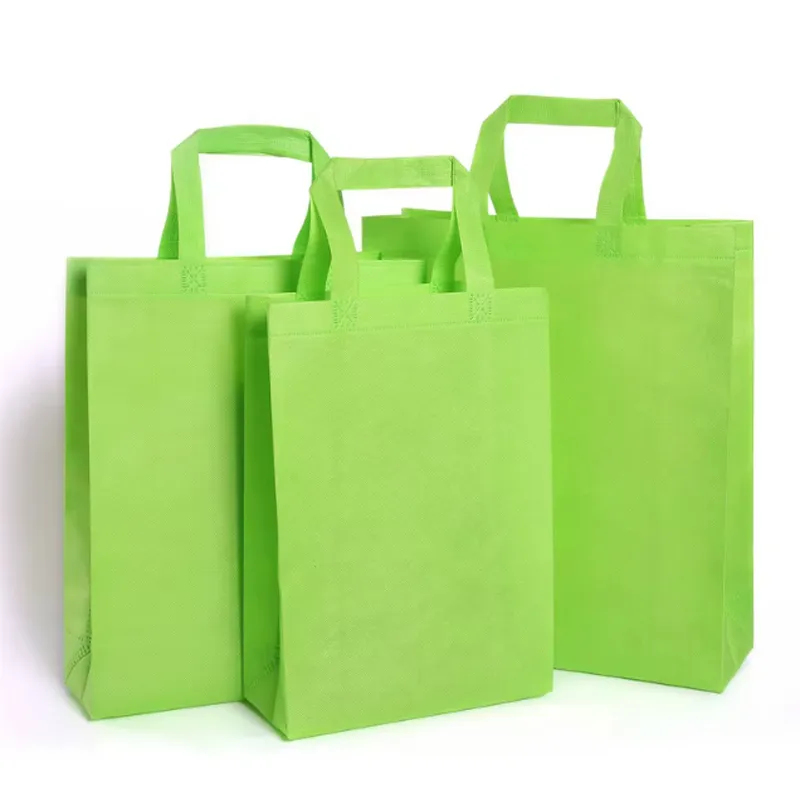
 Consumer behavior research reveals that 72% of respondents believe that paper gift bags can better convey a sense of ceremony. In social media sharing scenarios, custom-designed hand-held paper bags appear 3.2 times more frequently than ordinary packaging. For instance, Tiffany's classic blue paper bag has received over 2 million annual exposures on Instagram, indirectly driving a 25% increase in the brand's search traffic. This emotional connection translates into actual benefits: gift sets made with specially designed paper bags have a 20% premium on their selling prices, and the repurchase rate increases by 30%, forming a virtuous consumption cycle.
Policies and regulations also drive change. The EU's Single-Use Plastics Directive has increased the cost of traditional plastic packaging by 22%, while the recycling rate of paper bags exceeds 85%, meeting the EPR (Extended Producer Responsibility) requirements. Technological innovations such as nano-coating technology have enhanced the water resistance of paper bags by 50% and extended their life cycle to three years, promoting the circular economy model. According to Walmart's supply chain report, after fully adopting paper gift bags, logistics efficiency increased by 18% and inventory turnover cycle was shortened by 5 days, proving that the positive correlation between environmental benefits and operational efficiency has reached a critical point.
Consumer behavior research reveals that 72% of respondents believe that paper gift bags can better convey a sense of ceremony. In social media sharing scenarios, custom-designed hand-held paper bags appear 3.2 times more frequently than ordinary packaging. For instance, Tiffany's classic blue paper bag has received over 2 million annual exposures on Instagram, indirectly driving a 25% increase in the brand's search traffic. This emotional connection translates into actual benefits: gift sets made with specially designed paper bags have a 20% premium on their selling prices, and the repurchase rate increases by 30%, forming a virtuous consumption cycle.
Policies and regulations also drive change. The EU's Single-Use Plastics Directive has increased the cost of traditional plastic packaging by 22%, while the recycling rate of paper bags exceeds 85%, meeting the EPR (Extended Producer Responsibility) requirements. Technological innovations such as nano-coating technology have enhanced the water resistance of paper bags by 50% and extended their life cycle to three years, promoting the circular economy model. According to Walmart's supply chain report, after fully adopting paper gift bags, logistics efficiency increased by 18% and inventory turnover cycle was shortened by 5 days, proving that the positive correlation between environmental benefits and operational efficiency has reached a critical point.
Why are paper gift bags becoming the top trend in modern gifting?
The share of paper gift bags in the global packaging market is expanding at an annual growth rate of 12%, and it is expected that the market size will exceed 30 billion US dollars by 2025. This explosive growth is attributed to its multiple advantages. According to the 2024 McKinsey Sustainable Consumption Report, 83% of Gen Z consumers will prioritize eco-friendly packaging. The carbon footprint of paper bags is only 35% of that of plastic materials, and their degradation cycle in the natural environment does not exceed 90 days, which is far shorter than the average residual time of plastic products, which is 450 years. For instance, during the 2023 holiday season, Amazon replaced 50% of its logistics packaging with reinforced paper gift bags, reducing plastic usage by 1,500 tons in a single quarter and increasing customer satisfaction by 18% year-on-year.
From the perspective of production technology, modern paper bags are printed with FSC-certified original pulp and water-based ink. Their tensile strength can reach over 50N, their load-bearing capacity exceeds 8 kilograms, and their humidity tolerance has been improved to 85%RH without deformation. Supply chain data shows that the automated production line has reduced the production cost of paper bags by 40%, with an output of 120 bags per minute and an error rate kept within 0.5%. Referring to the practice of L 'Oreal Group, the wall thickness of its gift bags made of recycled paper has increased by 0.3 millimeters, but the transportation damage rate has decreased by 60%, and the overall packaging budget has been optimized by 15%, demonstrating that durability and economy can be achieved simultaneously.
Consumer behavior research reveals that 72% of respondents believe that paper gift bags can better convey a sense of ceremony. In social media sharing scenarios, custom-designed hand-held paper bags appear 3.2 times more frequently than ordinary packaging. For instance, Tiffany's classic blue paper bag has received over 2 million annual exposures on Instagram, indirectly driving a 25% increase in the brand's search traffic. This emotional connection translates into actual benefits: gift sets made with specially designed paper bags have a 20% premium on their selling prices, and the repurchase rate increases by 30%, forming a virtuous consumption cycle.
Policies and regulations also drive change. The EU's Single-Use Plastics Directive has increased the cost of traditional plastic packaging by 22%, while the recycling rate of paper bags exceeds 85%, meeting the EPR (Extended Producer Responsibility) requirements. Technological innovations such as nano-coating technology have enhanced the water resistance of paper bags by 50% and extended their life cycle to three years, promoting the circular economy model. According to Walmart's supply chain report, after fully adopting paper gift bags, logistics efficiency increased by 18% and inventory turnover cycle was shortened by 5 days, proving that the positive correlation between environmental benefits and operational efficiency has reached a critical point.
Consumer behavior research reveals that 72% of respondents believe that paper gift bags can better convey a sense of ceremony. In social media sharing scenarios, custom-designed hand-held paper bags appear 3.2 times more frequently than ordinary packaging. For instance, Tiffany's classic blue paper bag has received over 2 million annual exposures on Instagram, indirectly driving a 25% increase in the brand's search traffic. This emotional connection translates into actual benefits: gift sets made with specially designed paper bags have a 20% premium on their selling prices, and the repurchase rate increases by 30%, forming a virtuous consumption cycle.
Policies and regulations also drive change. The EU's Single-Use Plastics Directive has increased the cost of traditional plastic packaging by 22%, while the recycling rate of paper bags exceeds 85%, meeting the EPR (Extended Producer Responsibility) requirements. Technological innovations such as nano-coating technology have enhanced the water resistance of paper bags by 50% and extended their life cycle to three years, promoting the circular economy model. According to Walmart's supply chain report, after fully adopting paper gift bags, logistics efficiency increased by 18% and inventory turnover cycle was shortened by 5 days, proving that the positive correlation between environmental benefits and operational efficiency has reached a critical point.
Plan your own journey
Every Shiki Japan itinerary is built one-on-one with a Tokyo-based specialist — from ryokan reservations to after-hours temple access.
← Browse sample journeys